
Life and Work in Russia for Foreigners How to Settle  Stay on Track  and Avoid Trouble
In recent years, Russia has become one of the more attractive destinations for foreigners seeking to live, work, or study abroad. In 2025, professionals from CIS countries, digital nomads from Europe and Asia, and students from India, Turkey, and Africa continue to arrive. Some come for education, others to start a business, work, or reunite with family. But adapting to life in Russia is not as simple as “getting a visa and renting an apartment.” It’s a long journey through bureaucracy, housing challenges, taxation, healthcare, and cultural adaptation. This article provides only practical advice: real-life examples, recent legislation, and useful insights from people who have moved to Russia.

Registration: The First Step to Legal Stay

The very first challenge most foreigners face upon arriving in Russia is residential registration. By law, every foreign national must register within 7 working days of entering the country. Registration can be arranged by the landlord, hotel, or hostel. In reality, this requirement is often neglected — landlords don’t want to “expose” lease agreements, and foreigners may simply not know the rules. As a result, problems arise: without registration, it’s impossible to apply for a residence permit, get a tax ID (INN), or even open a bank account.

Registration is handled at multifunctional centers (MFCs), and the data is sent directly to the Ministry of Internal Affairs (MVD). Documents are submitted either under a rental contract or a notarized letter of consent from the property owner. One common pitfall: registration applications are frequently denied due to errors in passport translations, especially with names or birthdates.

Example: A client from Uzbekistan applied for a work patent in Moscow. The registration itself was completed, and the passport was translated at an MFC-affiliated bureau. However, the translator made a mistake in the last name. As a result, the application was rejected and we had to urgently redo the translation.

Renting a Home: How to Find a Place, Register, and Avoid Risks

Finding an apartment in major cities like Moscow, St. Petersburg, or Kazan is usually not a problem — the real challenge is finding a landlord who is willing to register a foreign tenant officially. Without this registration, the tenant cannot access public services, obtain legal employment, or access proper medical care. At the same time, many property owners are hesitant to register foreign nationals, especially those on short-term visas or temporary residence status.

A common (but risky) practice is renting “off the books,” with no signed contract or official registration. While this may seem convenient, it puts the tenant at serious risk: you can be evicted at any moment and lose your legal right to stay in the country. It’s better to rent through agencies or trusted contacts, sign at least a short-term lease, and discuss registration in advance.

Work and Legal Employment: Avoiding Fines and Legal Trouble

To work legally in Russia, a foreigner must properly legalize their employment status, and the process depends on their citizenship:

  • Citizens of CIS countries (e.g., Tajikistan, Uzbekistan, Kyrgyzstan) typically need a work patent;

  • Citizens of other countries require either a work permit or Highly Qualified Specialist (HQS) status;

  • Foreign students may work without a patent, thanks to simplified rules introduced in 2021.

The work patent is issued by the Ministry of Internal Affairs (MVD) and requires a medical exam and prepaid tax payments. Employers often request a notarized translation of the passport, and sometimes a copy of the lease agreement. Some companies refuse to hire foreign workers who don’t have these documents.

Under amendments to Russian law in 2024, foreigners must apply for a patent within 30 calendar days of arrival. Failing to do so may result in a fine of up to 10,000₽ and deportation.

The personal income tax rate for foreigners is 30% if they reside in Russia for fewer than 183 days per year. After 183 days, the rate drops to 13%, the same as for Russian citizens. Employers are responsible for signing contracts, withholding taxes, and transferring payments to the tax authorities.

To be employed, you may need:

  • a notarized passport translation;

  • a Tax ID (INN) and Pension Fund number (SNILS);

  • a translated diploma, possibly with an apostille;

  • proof of residence registration.

Example: An Indian citizen working at a software company in Kazan obtained HQS status, but forgot to extend his registration after 90 days. Result: a 5,000₽ fine and a one-year ban on applying for a residence permit.

Healthcare and Insurance for Foreigners in Russia

One of the most underestimated aspects of moving to Russia is the healthcare system. According to Russian law, all foreigners must have medical insurance. For citizens of EAEU and CIS countries, mandatory health insurance (OMS) can be issued if the person has both a residence registration and an employment contract. Others must obtain voluntary medical insurance (VMI or DMS), which costs between 3,000 and 25,000 RUB per year, depending on the coverage.

To apply for a residence permit (RVP) or permanent residency (VNZh), you’ll need a medical certificate proving you are free of infectious diseases, HIV, and drug addiction. These documents are only accepted if accompanied by an official translation and certification (if issued outside Russia), and they must come from accredited medical institutions. If you submit a certificate without translation — the Ministry may reject your application.

While public healthcare is technically available to foreigners with OMS, in practice there are many obstacles: limited appointments, refusal of services due to paperwork issues, or inconsistent treatment. That’s why many foreigners opt for paid private insurance — especially if they’re officially employed.

Example: “I went to the local public clinic with my OMS policy, but they refused to register me, saying I didn’t have a valid temporary registration. I had to go to a private clinic instead,” — Amir, a student from Iran.

Private clinics (e.g., European Medical Center, Scandinavia, Invitro, Gemotest) generally welcome foreign patients, but the initial consultation costs range from 2,000 to 6,000 RUB. That’s why it's important to secure a proper insurance policy that’s accepted by reputable clinics. If you’re expecting surgery, pregnancy, or a major check-up — find out in advance which hospitals accept foreign patients and what documents will be required. Often, a passport translation is one of them.

Culture Shock and Everyday Surprises in Russia

Living in Russia is often very different from how people imagine it based on stereotypes. Some things may be pleasantly surprising: modern supermarkets, low public transport fares, high-quality mobile networks, and advanced infrastructure. Others can be confusing — like the requirement to carry your passport at all times, even just to buy a SIM card. Or the fact that government employees rarely speak English, even in big cities.

One of the most common difficulties is the formal and sometimes harsh tone of official communication. This may feel aggressive to many foreigners, but it’s simply part of the bureaucratic culture. For this reason, newcomers — especially students and remote workers from Western countries — often feel insecure during their first interactions with Russian institutions.

Learning basic Russian phrases and having a Russian-speaking friend or legal assistant can make a big difference in navigating these systems.

Finances, Banking, and Money Transfers: How the System Works

Opening a bank account in Russia has become significantly easier for foreigners in 2025 — especially after the latest legal updates. According to the federal law “On Currency Regulation and Currency Control,” non-residents, including foreign nationals, can freely open accounts in Russian banks and use them without restrictions. Depending on the purpose, accounts can be in rubles, foreign currency, or investment-related.

Most major banks — Sber, Tinkoff, VTB, Alfa-Bank, Gazprombank — require you to undergo identity verification, which includes presenting your passport, visa or migration card, and a notarized translation of your passport into Russian. Some banks also require proof of temporary registration. As of July 2023, citizens from certain countries (CIS, Turkey, India, China, etc.) can complete remote identification through a partner bank in their home country, significantly simplifying the process.

Accounts can be opened by both individuals and legal entities. However, foreign nationals are subject to lower thresholds for financial monitoring:

  • Individuals: 50,000 RUB

  • Companies: 500,000 RUB

If a transaction exceeds these amounts, it may require additional reporting to Rosfinmonitoring (the Russian financial intelligence unit).

Common challenges include:

  • Application rejections without explanation (due to internal compliance policies);

  • Limited currency options (mostly rubles, dollars, euros);

  • Refusal to open multi-currency accounts;

  • Lack of English-speaking staff;

  • Strict requirements for document translation and notarization.

For sending money abroad, most foreigners use services like Unistream, Zolotaya Korona, or cryptocurrency. Peer-to-peer (P2P) transfers between Russian and foreign accounts are also common, but they require caution and legal awareness.

Russian banks are increasingly open to foreign investment and project accounts, but every document is carefully reviewed — from translation quality to visa expiration. Having your paperwork translated correctly and submitted properly is key to success.

Education, Children, and Family Life: How to Navigate the System

If you're moving to Russia with your family or planning to pursue education here, it's important to understand how the education system works and how to prepare your documents in advance. To enroll in a university, you’ll need not only a diploma, but also a notarized translation of your high school certificate, and sometimes an apostille. Some universities accept digital submissions, but most still require in-person application.

Foreign students can study at both public and private universities, either on a paid basis or through government-funded quotas. In 2025, the Russian Ministry of Education increased the number of scholarship slots for students from the CIS, Asia, and Africa. Students receive temporary registration, a residence permit for education, and can work part-time without a work patent, thanks to reforms from 2021.

Married couples where one partner is a Russian citizen can apply for residence permits via simplified procedures. However, when it comes to selling or buying property, registering a will, or signing a deed of gift, you will need a notarized spousal consent, and if the spouse is a foreign national — also translations of all certificates and passports.

Example: A couple — a U.S. citizen and a Russian national — were selling an apartment in the Moscow region. The notary demanded a notarized translation of their marriage certificate and passport, plus the personal presence of the wife or a legalized power of attorney. The transaction was delayed by three weeks.

Where Foreigners Feel Most Comfortable – Cities and Regions

Not all Russian cities are equally comfortable for foreigners. Moscow and St. Petersburg offer the most opportunities — developed infrastructure, international companies, English-speaking university staff, and more landlords open to renting to foreigners. But the cost of living is higher, and the bureaucracy tends to be more rigid.

Cities like Kazan and Yekaterinburg are popular among students and young professionals thanks to their growing IT and education sectors, plus well-functioning migration services. Cities like Krasnodar, Rostov-on-Don, and Kaliningrad attract migrants from CIS and Middle Eastern countries: the climate is milder, housing is cheaper, and landlords are more willing to handle registration.

Smaller towns and rural areas can be more difficult. They may lack trained staff at MFCs, and finding a notary willing to work with foreign documents can be tricky. Police may also treat foreigners with less understanding. That’s why, when choosing a place to live, it’s important to consider more than just rent prices — think about access to services, language barriers, and transport.

Final Thoughts – Living Legally and Peacefully in Russia

Life in Russia as a foreigner is a constant balancing act between opportunity and formality. On the one hand, you can receive quality education, find work, launch a business, or even obtain citizenship through simplified pathways. On the other hand, every step demands strict compliance with regulations, attention to deadlines, and accurate documentation.

Understanding how bureaucracy works, learning the language, ensuring proper translations, and working with trustworthy agencies or legal advisors can help reduce stress and legal risks. Don’t cut corners when it comes to your legal status — it’s better to do everything correctly from the beginning than to deal with consequences later.
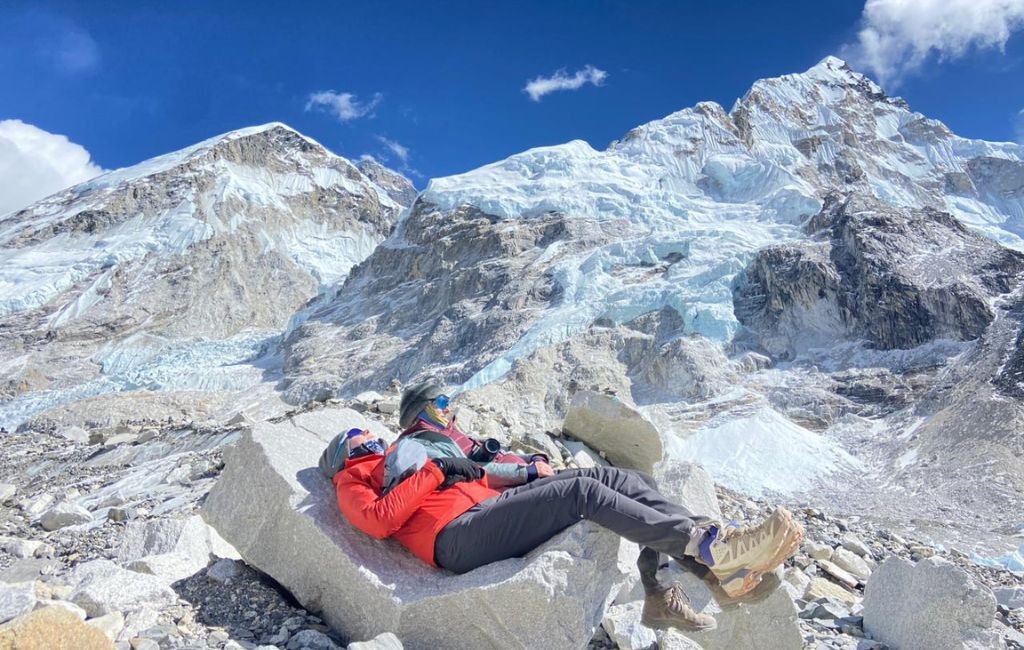
Trip Through Republic Of China S Rich Chronicle With Silk Road Tours

Checking out the vast and different landscapes of China is a trip like nothing else, offering an exciting intermingle of antediluvian history, racy , and amazing natural wonders. China tours have actually nonheritable enormous popularity in current eld, travelers from throughout the globe that are delirious to go through the nation 39;s rich inheritance and splendid appeal. Whether you 39;re attracted to the dynamic metropolises of Beijing and Shanghai, the serene landscapes of Zhangjiajie, or the of import grandness of the Silk Road, there 39;s a China tour plan to play off every vacationer 39;s preference and choice.

For those looking to bury themselves in the illustrious muscae volitantes and cultural prizes of China, a China group Beachwear Malta is the paragon choice. From the impressive Great Wall to the splendid Terracotta Army in Xian, China group Tours use an surpassing trip with time, showcasing the commonwealth 39;s most valuable sites.

Among the standout locations in China is Zhangjiajie, an area noted for its unknown landscapes that seem to resist the laws of nature. A Zhangjiajie tour is a need to for nature fanatics and jeopardize applicants alike. The high sandstone pillars, shrouded in mist and rich greenery, offered as the ideas for the drifting Hallelujah Mountains in the snap Avatar. The Zhangjiajie National Forest Park, part of the big Wulingyuan Scenic Area, is a UNESCO World Heritage site and offers some of one of the most impressive tramp trails on the planet. A China Zhangjiajie tour is an immersive undergo that allows site visitors to walk among these looming titans, cross glaze over-bottomed bridges supported high in the air, and take over exciting views that are just awful. For those that take a more at leisure undergo, the Zhangjiajie telegraph television auto supplies a snug substance to appreciate the stunning vistas without the natural science exertion.

Zhangjiajie tours typically admit visits to various other nigh attractions such as the Tianmen Mountain, known for its all-natural archway called the quot;Heaven 39;s Gate, quot; and the Zhangjiajie Grand Canyon, home to the earthly concern 39;s longest and superior glass over bridge over. These Tours are diligently well-meant to make certain that vacationers can go through the best of what the region has to volunteer, all while being led by experienced professionals who can share the enthralling tales and legends connected with these natural wonders.

Silk Road Tours provide a specialised possibility to discover the exuberant appreciation heritage and diversified landscapes that have actually organized China 39;s play down. A China Silk Road tour usually starts in Xian, the beginning factor in of the old profession course and home to the earth-famous Terracotta Army.

Silk Road tours 2024 anticipat an extraordinary go through, as they delve right into the old cities of Dunhuang, Turpan, and Kashgar, each offer a glance into the past with their well-preserved ruins, holy places, and markets. The vibrant marts of Kashgar, with their jazzy displays of spices, handicrafts, and textiles, provide a sensorial overcharge that transfers travelers back to the days when the Silk Road was a bustling artery of trade and social .

China tour packages are designed to cater to a big straddle of rate of interests and choices, ensuring that every tourer can find a tour that suits their needs. Whether you 39;re fascinated in checking out the ancient wonders of Beijing, the coeval wonders of Shanghai, or the serene landscapes of Guilin, there 39;s a China tour bundle that will take you on a trip of exploration. These packages normally let in all the essentials, such as diggings, meals, transit, and oriented tours, permitting tourists to focus on appreciating their experience without stressing over the logistics. For those who favour a much more personal go through, usance-made private tours supply the adaptability to make a usance-made plan that accommodates certain rate of interests and choices. This degree of personalization makes sure that every vista of the tour is lined up with the tourist 39;s wishes, whether it 39;s a deep dive into Chinese history, a preparation undergo, or an off-the-beaten-path exploration of little-known treasures.

Traveling with a trusty and practiced travel company, such as China Xian Tour, guarantees that your travel through China will be unlined and unusual. With over 20 age of commercialise experience, their aggroup of China tour experts is committed to crafting the fantabulous plan for every traveller.

To conclude, silk road tours is a terminus that offers something for every soul, from the bustling great power of its cities to the clear invoke of its cancel landscapes. China tours offer a portal vein to discovering this vast and wide-ranging commonwealth, offer experiences that are both improving and unforgettable. Whether you 39;re getting started on a Zhangjiajie tour to look up to its surreal landscapes or map the old Silk Road on a trip through account, each minute spent in China is a possibleness to link with a that is as abundant and varied as the land itself. With adeptly crafted China tour packages, your travel will be filled with wonder, , and a deep taste for the cancel beauties that make China a truly extraordinary terminus.

nbsp;

How to Avoid Altitude Sickness on the Everest Base Camp Trek

One of the world’s most renowned adventures, trekking to Everest Base Camp, is on most people’s bucket list. This legendary path offers hikers alpine peaks, stunning landscapes, and a rich tapestry of cultural encounters. But the terrain being at such a high altitude is something that is a bump for trekkers, more so if you have not experienced such altitudes. Altitude sickness, or acute mountain sickness (AMS), is an issue for many, but if you are prepared, it can be avoided.

During the Everest Base Camp Trek Acclimatization is one of the most important ways to prevent altitude sickness. The body loses out on time to acclimate to lower oxygen levels when going up. Pushing the climb may also result in symptoms that include headache, nausea, dizziness, and fatigue. One should have a slow itinerary and rest days, particularly when the height is above 3,000m. And most reputable trekking agencies build in acclimatization days in spots like Namche Bazaar and Dingboche, giving the body an opportunity to adjust safely.

Hydration is also important. Dehydration can occur rapidly at high altitudes because of the dry air, accelerated breathing, and exertion. In addition, a heart patient should drink as much as three to four liters of water per day to ensure good circulation and a sufficient oxygen supply for the body. You are also advised to stay away from alcoholic drinks and caffeinated beverages, which can result in dehydration and disrupt the sleep that is crucial for recovery.

A third highly effective way to manage your heat can be with what you eat during the walk. Nutrition is key in helping the body adjust to altitude. Oh yeah, and high-carb meals give some sustainable energy and are easier to digest at high altitudes. There are plenty of teahouses on the way with great local, nourishing food such as dal bhat that will give you a lot of energy, vital nutrients, and that will keep you feeling full for a while.

Tun­ing into what your body needs is cru­cial when you are trek­kng at altitude. If you have mild symptoms of altitude sickness, the best thing to do is rest and give your body more time to acclimate. Not descending when you have symptoms can cause more severe HACE (High Altitude Cerebral Edema) or HAPE (High Altitude Pulmonary Edema-life-threateningg). The only effective remedy is to descend to a lower elevation if the symptoms grow severe.

Some trekkers opt for preventive medication like acetazolamide (Diamox), which can help the body acclimate faster. It’s only something a doctor should recommend you use, and it doesn’t take the place of acclimatization.

Finally, the time of year you choose to trek to Everest Base Camp can also help reduce your chances of suffering from altitude sickness. The seasons of spring (March to May) and autumn (September to November) have a very predictable pattern of weather, which usually means reliable weather and clean skies, so those are the safest and most comfortable times to trek. These months also offer better trail support with more teahouses open and services along the trail.

With a good idea of how altitude affects and can be diminished by adhering to a few straightforward precautions, trekkers can have the best chance of avoiding altitude sickness altogether. With the appropriate knowledge and extra preparation, the trek to Everest Base Camp can be a safe and memorable experience in the heart of the Himalayas.

Why do you suffer from Altitude Sickness During the Everest Base Camp Trek?

Altitude sickness happens when your body has difficulty adjusting to a lower level of oxygen at higher elevations. It starts when you get over 2,500 meters on the Everest Base Camp trek, but the risk jumps once you go above 3,000 meters. The main reason is going up too quickly, without allowing your body time to adjust. The higher you go, the less oxygen per breath your lungs take in as air pressure drops. Your body naturally attempts to compensate by breathing more quickly, speeding up heart rate, and producing more red blood cells. But if you rise too fast, those changes don’t keep up. Symptoms include headaches, nausea, anorexia, and fatigue. They may become worse without treatment and develop into serious conditions such as HAPE or HACE. Understanding how altitude sickness works is the first step in avoiding it. The best defense is an education. The more you know how your body responds to altitude and how fast you are climbing, the safer you will be. Slow ascents, plenty of rest, and proper hydration offer the body the opportunity to acclimate. Whether you’re a complete beginner or an experienced trekker, having some knowledge of the science behind altitude sickness will save you a headache, literally, and prepare you for a successful and healthy adventure to Everest Base Camp.

How quickly should you ascend to avoid AMS on the Everest Trail?

Strangely, when it’s about avoiding AMS, speed is your foe. The best and most effective way to prevent altitude sickness when trekking to Everest Base Camp is to take a slow and gradual pace to acclimate. Experts suggest climbing no more than 300 to 500 meters in elevation each day once you are above 3,000 meters. This gradual introduction helps your body acclimate to the diminished oxygen supply before you’re overwhelmed. The Everest trail is typically made in about 12 days round-trip, with two or more days of acclimatization built in. Well-known stops like Namche Bazaar (3,440m) and Dingboche (4,410m) are more than rest stops: they are crucial stages of recovery. Skipping acclimatization days or trying to go up too fast can tip the scales even further. The slower the better, the more successful, enjoyable, and safer your trek will be. If you rush the trip, based on our experience, it will not only put your health at risk, but it will also jeopardize your chances of reaching Base Camp at all. “Trekking at high altitude is not a race. It’s about patience, it’s about listening to your body, and it’s about respecting the mountain. Remember, too, that even “fit” climbers are not exempt from altitude illness. By planning smart, walking slowly, and hiring professional guides, you can turn what could be a scary trek into the experience of a lifetime.

Is Diamox Safe and Effective to Prevent Altitude Sickness?

Diamox, or acetazolamide, is a commonly used drug for the prevention and treatment of altitude sickness. It acts by acidifying your blood, which induces rapid breathing and improves oxygen uptake. It can be a useful tool for trekkers going to Everest Base Camp — but it’s not a silver bullet. Diamox does not cure altitude sickness, and it isn’t a substitute for proper acclimatization. It’s ideal when taken preemptively at the start of the trek or if you’ve had altitude-related issues in the past. The usual dose is 125 mg twice a day, starting the day before reaching high altitude and continuing while climbing. Its side effects are mostly mild and can include tingling fingers, more frequent urination, or a change in taste. Diamox is safe, but you can only take it under a doctor’s advice. Not everyone tolerates the drug well, and it can interact with other drugs. The trick is to combine Diamox with good trekking practices: slow ascent, hydration, rest, and a sane itinerary. Diamox is something that a lot of experienced trekkers use as a backup, not as a first defense. Properly administered, it can provide the extra support your body needs to adjust to high altitudes and can help make your journey to Everest Base Camp safer and more pleasant.

Symptoms of AMS: When Should You Worry?

It’s important to be able to recognise the signs of altitude sickness; it can save your life. AMS typically starts with mild symptoms like headache, dizziness, fatigue , and a decreased appetite. These sensations can be confused with dehydration or fatigue, so they’re often ignored. On the Everest Base Camp trek, symptoms develop quickly — within the first 24 to 48 hours after a rapid ascent in altitude. When symptoms like these become more severe—such as confusion, staggering when you walk, the feeling that your chest is tightening or the sensation of being winded while at rest—then you might be on the road to a more severe ailment such as HAPE (fluid in your lungs) or HACE (fluid in your brain). These are potentially fatal situations that demand an immediate descent and a doctor’s care. Learning to trust those signals from your body is key. When symptoms arise, don’t dismiss them. Rest and hydrate, and give up on climbing higher until you feel better. If things go from bad to worse, then the golden rule is to go down. Better to descend and recover, rather than press onward and put themselves at risk for serious illness, even death. A guide can provide a lot of information when trekking or climbing, but communication is 80 percent of what I do anyway,” Dr. Hackett said, adding that having a pulse oximeter to measure oxygen levels can lead to early diagnosis and prevention. Altitude sickness can be treated — but only if you move quickly.

How Valuable is Acclimatization and How Should it be Done Right?

Acclimatization is the term for the process your body goes through when it adjusts to higher altitudes, and it’s the foundation of preventing altitude sickness. When hiking to Everest Base Camp, proper acclimatization can be the difference between success and evacuation. The golden rule is “climb high, sleep low.” That entails climbing to a higher level during the day and camping at a lower altitude at night. Most itineraries also include two popular acclimatization days, one for rest at Namche Bazaar (3,440m) and another at Dingboche (4,410m). There are no days for lounging. They are for light hikes that get your body acclimated to altitude, without overexerting you overnight. Walking a few hundred meters uphill and back to your lodge can work as an adaptation accelerator. By rushing the acclimatization days, many trekkers get AMS symptoms. You might feel strong and healthy, but your body still has to adjust. Acclimatization is not a matter of weakness — it’s a matter of good sense. What will help more is waiting, sleeping, and allowing your system to acclimate slowly to higher altitudes. By sticking to advice like that presented above, you will be able to maximize the progression of your trek while experiencing the amenities you have on hand.

Do Hydration Strategies Work to Prevent Altitude Sickness While Trekking Higher?

It is important to ensure you are well hydrated to avoid altitude sickness, especially on those higher treks such as Everest Base Camp. The altitude air is chill and dry, and your body loses moisture to both breath and sweat faster than you might think it would, even though you aren’t hot. Dehydration also makes it more difficult for your body to acclimate as it decreases blood volume and makes it more challenging to efficiently deliver oxygen to your tissues. Altitude trekking also accelerates your respiratory rate, however, and each breath you take can dehydrate you further. That’s why you need to drink at least three to four liters of water per day. Want a simple solution? Simply drink water all day long rather than just drinking when you get thirsty. You can also supplement with electrolyte solutions or oral rehydration salts to ensure a correct mineral balance, particularly when sweating a lot or if you have diarrhoea — both of which are common at high altitude. “Forget drinking alcohol, at the very least, cut down on caffeine, which can dehydrate you.” Dark or infrequent urine is a warning sign to drink more. Failing to stay hydrated does not mean that you will get altitude sickness, yet doing so will raise your risk considerably. Well-hydrated bodies support good circulation, maintain energy, and help your body make the necessary adjustments to the high-altitude locale of the Himalayas.

What to Eat to Help Your Body Adjust to High Altitude?

Night Vale, hydration, and nutrition are often overlooked on high mountain hikes, yet play a crucial role in preventing altitude sickness. Your body requires more energy for running at that elevation, with reduced oxygen at every stride. Eating the right foods helps power that effort and enhances acclimatization. High-carb diets are strongly recommended at altitude because carbs require less oxygen to metabolize than fats or proteins. Trekking mainstays such as rice, pasta, bread, potatoes , and lentils are all perfect. The hearty Nepalese dish dal bhat (rice with lentil soup and vegetables) is a perfect trekking meal: full of energy, easy to digest, and packed full of vital nutrients. Eating frequently, small meals also assists your digestive system, which can slow down at high elevations. Steer clear of heavy, greasy, or overly spicy meals that might upset your gut. And be sure you are getting adequate salt and calories. Do not skip meals — even if you feel less hungry because of the effects of altitude. Honey water, garlic soup , and ginger tea are also popular with many trekkers to aid digestion and for energy. Good food provides your body with the fuel it needs to adjust to new conditions. With hydration and rest, a proper trekking diet is a critical aspect of a safe and successful EBC trek.

Why You Should Never Ignore a Headache at Altitude

At sea level, a headache might just be an indicator of stress or too little water, but at high altitude, it could be your first symptom of Acute Mountain Sickness. When it comes to early symptoms on the Everest Base Camp trek, a headache is the most common and should not be taken lightly. Most trekkers tend to dismiss it as a small problem, keep climbing, and subsequently deteriorate at a fast pace. But when they become chronic or intense, you might want to investigate what’s going on. The right thing to do, they say, is to simply stop where you are, hydrate, and rest. If the headache doesn’t abate within 24 hours — or is accompanied by nausea, confusion, or difficulties walking — you need to descend immediately. It’s worth making clear that altitude-related headaches are not the same thing as ordinary, everyday headaches. They’re brought on because your brain is responding to a decrease in oxygen and can indicate swelling or a change in pressure. Ibuprofen or paracetamol can help to ease the pain, but won’t address the root cause. The only cure is to acclimate or go down. Stay on the ball and on top of what your body is telling you about headaches to protect yourself, and make sure you’ll finish that trek to Everest Base Camp like a pro!

Should You Hire a Guide to Mitigate Altitude Risk?

It isn’t just solely a matter of convenience to hire a guide when trekking to Everest Base Camp; it can be a life-saving decision, particularly when it comes to altitude sickness. Local guides are versed in recognizing the telltale signs of Acute Mountain Sickness and have the knowledge and experience to take action at the first signs of trouble. They have some idea of the coming terrain, weather, and what pace to move at for a well-conditioned and safe acclimatization. When hiking solo or without guides, it is easy to overdo it or misjudge how you are feeling. An experienced guide will watch your status, keep you hydrated and rested, and make itinerary changes as needed. And in emergencies, they know where the nearest medical posts, or evacuation points, are. They can even coördinate helicopter rescues and talk to your insurance company if necessary. Also, guides are carrying basic medical supplies, pulse oximeters, Diamox, and can provide information or aid related to dosing. For English speakers at least, language barriers, finding your way, and making decisions are hard enough when you’re not feeling well at elevation. For first-time high-altitude trekkers, you get confidence, safety, and peace of mind with a guide. Although it is just about possible to trek independently safely, and altitude sickness problems are statistically low, hiring a guide is the most sensible option for anyone who seriously wants to be able to get to Everest Base Camp with the least hassle and the greatest degree of personal well-being.

When can I trek for the minimum risk of altitude?

Selecting the best time of the year for your Everest Base Camp trek can also greatly decrease the odds of coming down with a case of altitude sickness. Weather, trail congestion, and your ability to acclimatize properly all change by season, even if altitude does not. The best trekking seasons are pre-monsoon (March-May) and post-monsoon (September-November). These are the times with predictable weather, clear skies, and somewhat tolerable temperatures. Better weather leads to less frustration, more consistent pacing, and a safer acclimatization process. Trekking in the monsoon season (June-August) is not recommended because of heavy rain, landslides, and poor visibility. Another risk presents itself in winter months (December through February): extreme cold. Although the trails are less busy, it is more difficult to acclimate to the bitter temperatures, and some routes will be impassable due to snow. During high season, are open more teahouses and medical help, supplies, and guides will be more available. All of these contribute to your ability to stay in tune with your health, sleep well, and to acclimatize slowly. ” Simple planning and timing go a long way towards your trek’s success. During better-peak season allows for better weather conditions, acclimatization opportunities, and diminishes the general risk of contracting altitude illnesses on your way to Everest Base Camp.


How to avoid altitude sickness in Everest Base Camp?

Preventing altitude sickness when trekking the base camp of Everest boils down to acclimatizing, pacing, and preparing. The best rule is to go up slowly, not more than 300–500 meters in elevation daily, once you’re over 3,000 meters. Schedule at least two acclimatization days in towns such as Namche Bazaar and Dingboche. Hydration also matters: drink 3 to 4 liters of water per day, and do not drink alcohol. High-energy meals that are carbohydrate-based to help your body acclimate to the altitude. Pay attention to your body — don’t brush off symptoms of headaches, nausea, or dizziness. Go down at the first signs of worsening symptoms. Taking a preventive medication like Diamox might also help, if recommended by a doctor. The risk of AMS can also be reduced through a guided trek, where the local guides are knowledgeable about the signs of AMS. And most of all, don’t shortcut the process — practicing respect for altitude can help ensure your arrival at Base Camp is not only comfortable, but also provides the opportunity to enjoy the experience in its entirety.

How to acclimate for Everest Base Camp?

Acclimatization for Everest Base Camp is letting your body get used to the decreased oxygen at higher altitudes. On this route, a standard trek will take 12–14 days, including rest days for acclimatisation in towns such as Namche Bazaar (3,440m) and Dingboche (4,410m). These rest days aren’t as much about resting as they are about short hikes to higher altitudes during the day and then sleeping lower. This “climb high, sleep low” approach allows your body to adjust in stages. You are safe if you’re ascending at a pace of less than 500 meters per day above 3000 meters. It’s also key to stay well-hydrated, refrain from alcohol, have good, nutritious meals, and get a good night’s sleep. If you experience symptoms such as headaches or nausea, it’s important to fall back and rest before ascending again. Some of the most important are walking slowly, paying attention to your own body and how you are feeling, and never pushing yourself to the point of intolerance. Patience is your friend—your body requires time, and skipping this process can result in catastrophic altitude-related issues.

Should I take Diamox for Everest Base Camp?

Diamox (acetazolamide) is a popular medicine to prevent altitude sickness, and many trekkers take it during the Everest Base Camp trek. It works by increasing your breathing rate so that your body can better adapt to the lower levels of oxygen at higher altitudes. Diamox is not necessary, but can be useful, especially if you have had altitude problems in the past or have a tight trekking schedule. The recommended dose is 125 mg twice daily, the first dose given 1 day before ascent to high altitude and continued for 2 to 3 days of stay at high altitude. Side effects can include tingling in the fingers, increased urination, and a metallic taste, but these are typically mild. You should talk to your doctor about using Diamox to make sure it is safe for you. Remember, Diamox is a supplement to proper acclimatization, not a replacement. You should still ascend gradually, drink plenty of fluids, and take rest days. When used properly, Diamox can help minimize your chances of getting hit with Acute Mountain Sickness and can make your trek so much more enjoyable and safer.

How hard is it to breathe at Everest Base Camp?

You have to take deep breaths at Everest Base Camp (5,364m/17,598ft) because the thinner, oxygen-deprived air makes it harder to breathe than it is at sea level. The oxygen content at that altitude is around 50% of what you would find at sea level. That means your body has to work twice as hard to take in the oxygen it requires, in particular, during physical activity. Shortness of breath, a faster-than-usual heart rate after slight exertion, and becoming easily tired are the three major symptoms most trekkers feel. But if you’ve acclimated correctly along the way, your body will adapt by creating more red blood cells and becoming more efficient with oxygen. Breathing will become easier the more days you are at higher altitudes. You’re gonna be winded when you walk up a hill anyway, but you can stop more often. It’s normal to breathe more deeply and slowly. You’ve taken the appropriate precautions—pacing, rest days, hydration—you should be okay; while it won’t be easy, most healthy trekkers can manage breathing at Base Camp.


Собственный вертолетный парк и топ-сервис от «Солярис»

Хотите увидеть Сочи, Красную Поляну и величественные кавказские горы так, как их видят только птицы и облака? Центр авиации Солярис приглашает вас в захватывающее путешествие по небу — вертолётные туры, которые навсегда останутся в вашей памяти. Обзорные полёты, экскурсии с посадками на вершинах, романтические прогулки над морем или экстремальные экспедиции в дикие уголки Кавказа — всё это возможно с нами. Мы предлагаем не просто перелёты, а впечатления. Каждое направление, каждый маршрут — это тщательно продуманная история, в которой вы становитесь главным героем. Наслаждайтесь панорамами, которые невозможно увидеть из окна автомобиля, откройте для себя локации, куда не ступала нога обычного туриста, и сделайте кадры, которые покорят соцсети.

За комфорт и безопасность отвечает современная инфраструктура и профессиональная команда. Вертолёты Соляриса соответствуют самым высоким стандартам бизнес-авиации: собственная взлётно-посадочная площадка, топливозаправочный комплекс, ангарное хранение и техническое обслуживание. Все воздушные суда проходят регулярные осмотры по регламентам Росавиации, а наши пилоты — это лётчики с многолетним стажем и безупречной квалификацией. Мы знаем, насколько важны детали: от тишины в салоне и идеальной температуры воздуха до уверенности в каждом повороте и посадке. Именно поэтому прогулки на вертолете сочи — выбор тех, кто ценит надёжность, стиль и профессионализм.

Полёты с нами — это не шаблонный продукт, а возможность создать уникальный маршрут, адаптированный под ваши интересы. Хотите улететь в закат с любимым человеком? Или, может быть, вам нужен быстрый и комфортный трансфер в горнолыжный курорт? Мы с радостью реализуем любую задачу. Также доступны услуги для корпоративных клиентов: чартеры, деловые визиты, вертолёты для прессы и мероприятий. А для искателей приключений — специальные маршруты от Heliadventure: заброска в самые удалённые и живописные районы Юго-Западного Кавказа. Это — шанс пройти эксклюзивный треккинг или даже альпинистский маршрут с опытными гидами, без необходимости тратить дни на подходы.

Семьи с детьми, пары, группы друзей, бизнесмены, журналисты и блогеры — наши клиенты самые разные, но всех объединяет стремление к качеству и желанию получить больше, чем просто перелёт. И мы отвечаем взаимностью. У нас можно не только выбрать экскурсию, но и приобрести подарочный сертификат — идеальный вариант для особых случаев. Актуальные акции и сезонные скидки делают предложения ещё привлекательнее. На сайте всегда публикуется информация о спецпредложениях, а наши менеджеры готовы проконсультировать вас по любым вопросам — от маршрута до стоимости.

Вопросы безопасности для нас стоят на первом месте. Вертолёты оснащены антивибрационными системами, активным шумоподавлением, чувствительными микрофонами и кондиционированием, что делает полёт максимально комфортным. А постоянный мониторинг погоды и анализ метеосводок позволяют избегать любых рисков. Мы делаем всё, чтобы вы чувствовали себя спокойно — и на земле, и в небе. Именно поэтому 90% наших клиентов возвращаются к нам снова. Их отзывы — лучшее подтверждение качества и доверия.

Центр авиации Солярис — это не просто авиационная компания. Это команда, которая живёт небом и любит своё дело. Мы стремимся к тому, чтобы каждый полёт стал настоящим событием. Независимо от того, нужен ли вам чартер, экскурсия или подарок для близкого человека — мы готовы удивлять, вдохновлять и поднимать вас на высоту, где по-настоящему чувствуется свобода. Забронируйте полёт уже сегодня — и поднимитесь туда, где начинается незабываемое.

The Enigmatic Charm of Young Dubai Desert Safari

Dubai, a city known for its glitzy skyscrapers and vibrant city life, also holds a hidden gem that not many are aware of – the enchanting experience of a Young Dubai Desert Safari. Away from the hustle and bustle of the city, this unique adventure offers a glimpse into the rich cultural heritage and natural beauty of the desert landscape. Let’s delve into the mesmerizing world of Young Dubai Desert Safari and uncover its secrets.

The Allure of the Desert

The vast expanse of the Dubai desert beckons travelers with its serene beauty and mystique. The golden sands stretching as far as the eye can see, the tranquil silence broken only by the whispering wind, and the breathtaking sunsets painting the sky in hues of orange and pink – all create an enchanting backdrop for an unforgettable experience.

Immersive Cultural Encounters

One of the highlights of a Young Dubai Desert Safari is the opportunity to engage with the local culture and traditions. Visitors can partake in traditional activities such as camel riding, falconry, and henna painting, gaining insights into the age-old practices of the Bedouin nomads who once called the desert their home.

Adventure Amidst the Dunes

For thrill-seekers, dune bashing offers an adrenaline-pumping experience like no other. Skilled drivers navigate the steep sand dunes in powerful off-road vehicles, providing an exhilarating ride that will leave you both breathless and exhilarated. The heart-pounding adventure is sure to be a highlight of your desert safari.

Case Studies: Unveiling the Magic

  • **Sarah’s Story:** Sarah, a young traveler from the UK, embarked on a Young Dubai Desert Safari during her visit to Dubai. She was mesmerized by the vastness of the desert and the warmth of the local hospitality. The experience left her with a newfound appreciation for nature and a sense of tranquility that stayed with her long after the safari ended.
  • **Ahmed’s Adventure:** Ahmed, a Dubai resident, decided to explore his city’s desert landscape through a Young Dubai Desert Safari. Despite living in the bustling city for years, he discovered a whole new side of Dubai that he had never seen before. The safari rekindled his love for nature and inspired him to seek more outdoor adventures.

A Sustainable Approach

In recent years, there has been a growing focus on sustainable tourism practices in Dubai’s Canam buggy safari safari industry. Tour operators are increasingly adopting eco-friendly measures to minimize their impact on the fragile desert ecosystem. From using solar-powered vehicles to promoting responsible tourism guidelines, efforts are being made to preserve the natural beauty of the desert for future generations to enjoy.

Celebrating Diversity

The Young Dubai Desert Safari is a melting pot of cultures, bringing together travelers from around the world to experience the magic of the desert. Whether you’re seeking adventure, cultural immersion, or simply a