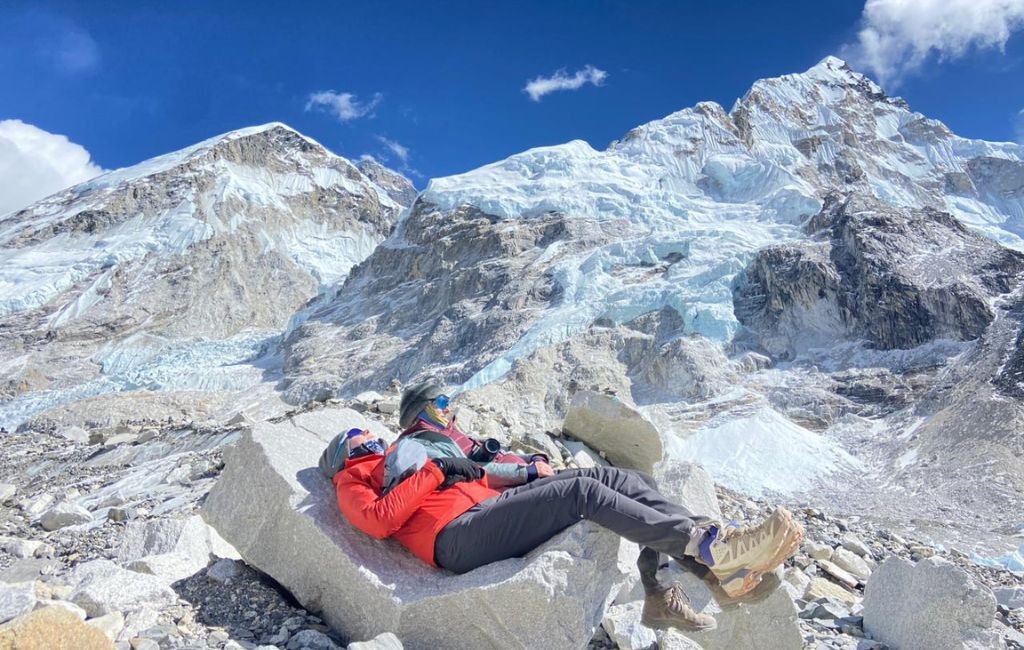
One of the world’s most renowned adventures, trekking to Everest Base Camp, is on most people’s bucket list. This legendary path offers hikers alpine peaks, stunning landscapes, and a rich tapestry of cultural encounters. But the terrain being at such a high altitude is something that is a bump for trekkers, more so if you have not experienced such altitudes. Altitude sickness, or acute mountain sickness (AMS), is an issue for many, but if you are prepared, it can be avoided.
During the Everest Base Camp Trek Acclimatization is one of the most important ways to prevent altitude sickness. The body loses out on time to acclimate to lower oxygen levels when going up. Pushing the climb may also result in symptoms that include headache, nausea, dizziness, and fatigue. One should have a slow itinerary and rest days, particularly when the height is above 3,000m. And most reputable trekking agencies build in acclimatization days in spots like Namche Bazaar and Dingboche, giving the body an opportunity to adjust safely.
Hydration is also important. Dehydration can occur rapidly at high altitudes because of the dry air, accelerated breathing, and exertion. In addition, a heart patient should drink as much as three to four liters of water per day to ensure good circulation and a sufficient oxygen supply for the body. You are also advised to stay away from alcoholic drinks and caffeinated beverages, which can result in dehydration and disrupt the sleep that is crucial for recovery.
A third highly effective way to manage your heat can be with what you eat during the walk. Nutrition is key in helping the body adjust to altitude. Oh yeah, and high-carb meals give some sustainable energy and are easier to digest at high altitudes. There are plenty of teahouses on the way with great local, nourishing food such as dal bhat that will give you a lot of energy, vital nutrients, and that will keep you feeling full for a while.
Tuning into what your body needs is crucial when you are trekkng at altitude. If you have mild symptoms of altitude sickness, the best thing to do is rest and give your body more time to acclimate. Not descending when you have symptoms can cause more severe HACE (High Altitude Cerebral Edema) or HAPE (High Altitude Pulmonary Edema-life-threateningg). The only effective remedy is to descend to a lower elevation if the symptoms grow severe.
Some trekkers opt for preventive medication like acetazolamide (Diamox), which can help the body acclimate faster. It’s only something a doctor should recommend you use, and it doesn’t take the place of acclimatization.
Finally, the time of year you choose to trek to Everest Base Camp can also help reduce your chances of suffering from altitude sickness. The seasons of spring (March to May) and autumn (September to November) have a very predictable pattern of weather, which usually means reliable weather and clean skies, so those are the safest and most comfortable times to trek. These months also offer better trail support with more teahouses open and services along the trail.
With a good idea of how altitude affects and can be diminished by adhering to a few straightforward precautions, trekkers can have the best chance of avoiding altitude sickness altogether. With the appropriate knowledge and extra preparation, the trek to Everest Base Camp can be a safe and memorable experience in the heart of the Himalayas.
Why do you suffer from Altitude Sickness During the Everest Base Camp Trek?
Altitude sickness happens when your body has difficulty adjusting to a lower level of oxygen at higher elevations. It starts when you get over 2,500 meters on the Everest Base Camp trek, but the risk jumps once you go above 3,000 meters. The main reason is going up too quickly, without allowing your body time to adjust. The higher you go, the less oxygen per breath your lungs take in as air pressure drops. Your body naturally attempts to compensate by breathing more quickly, speeding up heart rate, and producing more red blood cells. But if you rise too fast, those changes don’t keep up. Symptoms include headaches, nausea, anorexia, and fatigue. They may become worse without treatment and develop into serious conditions such as HAPE or HACE. Understanding how altitude sickness works is the first step in avoiding it. The best defense is an education. The more you know how your body responds to altitude and how fast you are climbing, the safer you will be. Slow ascents, plenty of rest, and proper hydration offer the body the opportunity to acclimate. Whether you’re a complete beginner or an experienced trekker, having some knowledge of the science behind altitude sickness will save you a headache, literally, and prepare you for a successful and healthy adventure to Everest Base Camp.
How quickly should you ascend to avoid AMS on the Everest Trail?
Strangely, when it’s about avoiding AMS, speed is your foe. The best and most effective way to prevent altitude sickness when trekking to Everest Base Camp is to take a slow and gradual pace to acclimate. Experts suggest climbing no more than 300 to 500 meters in elevation each day once you are above 3,000 meters. This gradual introduction helps your body acclimate to the diminished oxygen supply before you’re overwhelmed. The Everest trail is typically made in about 12 days round-trip, with two or more days of acclimatization built in. Well-known stops like Namche Bazaar (3,440m) and Dingboche (4,410m) are more than rest stops: they are crucial stages of recovery. Skipping acclimatization days or trying to go up too fast can tip the scales even further. The slower the better, the more successful, enjoyable, and safer your trek will be. If you rush the trip, based on our experience, it will not only put your health at risk, but it will also jeopardize your chances of reaching Base Camp at all. “Trekking at high altitude is not a race. It’s about patience, it’s about listening to your body, and it’s about respecting the mountain. Remember, too, that even “fit” climbers are not exempt from altitude illness. By planning smart, walking slowly, and hiring professional guides, you can turn what could be a scary trek into the experience of a lifetime.
Is Diamox Safe and Effective to Prevent Altitude Sickness?
Diamox, or acetazolamide, is a commonly used drug for the prevention and treatment of altitude sickness. It acts by acidifying your blood, which induces rapid breathing and improves oxygen uptake. It can be a useful tool for trekkers going to Everest Base Camp — but it’s not a silver bullet. Diamox does not cure altitude sickness, and it isn’t a substitute for proper acclimatization. It’s ideal when taken preemptively at the start of the trek or if you’ve had altitude-related issues in the past. The usual dose is 125 mg twice a day, starting the day before reaching high altitude and continuing while climbing. Its side effects are mostly mild and can include tingling fingers, more frequent urination, or a change in taste. Diamox is safe, but you can only take it under a doctor’s advice. Not everyone tolerates the drug well, and it can interact with other drugs. The trick is to combine Diamox with good trekking practices: slow ascent, hydration, rest, and a sane itinerary. Diamox is something that a lot of experienced trekkers use as a backup, not as a first defense. Properly administered, it can provide the extra support your body needs to adjust to high altitudes and can help make your journey to Everest Base Camp safer and more pleasant.
Symptoms of AMS: When Should You Worry?
It’s important to be able to recognise the signs of altitude sickness; it can save your life. AMS typically starts with mild symptoms like headache, dizziness, fatigue , and a decreased appetite. These sensations can be confused with dehydration or fatigue, so they’re often ignored. On the Everest Base Camp trek, symptoms develop quickly — within the first 24 to 48 hours after a rapid ascent in altitude. When symptoms like these become more severe—such as confusion, staggering when you walk, the feeling that your chest is tightening or the sensation of being winded while at rest—then you might be on the road to a more severe ailment such as HAPE (fluid in your lungs) or HACE (fluid in your brain). These are potentially fatal situations that demand an immediate descent and a doctor’s care. Learning to trust those signals from your body is key. When symptoms arise, don’t dismiss them. Rest and hydrate, and give up on climbing higher until you feel better. If things go from bad to worse, then the golden rule is to go down. Better to descend and recover, rather than press onward and put themselves at risk for serious illness, even death. A guide can provide a lot of information when trekking or climbing, but communication is 80 percent of what I do anyway,” Dr. Hackett said, adding that having a pulse oximeter to measure oxygen levels can lead to early diagnosis and prevention. Altitude sickness can be treated — but only if you move quickly.
How Valuable is Acclimatization and How Should it be Done Right?
Acclimatization is the term for the process your body goes through when it adjusts to higher altitudes, and it’s the foundation of preventing altitude sickness. When hiking to Everest Base Camp, proper acclimatization can be the difference between success and evacuation. The golden rule is “climb high, sleep low.” That entails climbing to a higher level during the day and camping at a lower altitude at night. Most itineraries also include two popular acclimatization days, one for rest at Namche Bazaar (3,440m) and another at Dingboche (4,410m). There are no days for lounging. They are for light hikes that get your body acclimated to altitude, without overexerting you overnight. Walking a few hundred meters uphill and back to your lodge can work as an adaptation accelerator. By rushing the acclimatization days, many trekkers get AMS symptoms. You might feel strong and healthy, but your body still has to adjust. Acclimatization is not a matter of weakness — it’s a matter of good sense. What will help more is waiting, sleeping, and allowing your system to acclimate slowly to higher altitudes. By sticking to advice like that presented above, you will be able to maximize the progression of your trek while experiencing the amenities you have on hand.
Do Hydration Strategies Work to Prevent Altitude Sickness While Trekking Higher?
It is important to ensure you are well hydrated to avoid altitude sickness, especially on those higher treks such as Everest Base Camp. The altitude air is chill and dry, and your body loses moisture to both breath and sweat faster than you might think it would, even though you aren’t hot. Dehydration also makes it more difficult for your body to acclimate as it decreases blood volume and makes it more challenging to efficiently deliver oxygen to your tissues. Altitude trekking also accelerates your respiratory rate, however, and each breath you take can dehydrate you further. That’s why you need to drink at least three to four liters of water per day. Want a simple solution? Simply drink water all day long rather than just drinking when you get thirsty. You can also supplement with electrolyte solutions or oral rehydration salts to ensure a correct mineral balance, particularly when sweating a lot or if you have diarrhoea — both of which are common at high altitude. “Forget drinking alcohol, at the very least, cut down on caffeine, which can dehydrate you.” Dark or infrequent urine is a warning sign to drink more. Failing to stay hydrated does not mean that you will get altitude sickness, yet doing so will raise your risk considerably. Well-hydrated bodies support good circulation, maintain energy, and help your body make the necessary adjustments to the high-altitude locale of the Himalayas.
What to Eat to Help Your Body Adjust to High Altitude?
Night Vale, hydration, and nutrition are often overlooked on high mountain hikes, yet play a crucial role in preventing altitude sickness. Your body requires more energy for running at that elevation, with reduced oxygen at every stride. Eating the right foods helps power that effort and enhances acclimatization. High-carb diets are strongly recommended at altitude because carbs require less oxygen to metabolize than fats or proteins. Trekking mainstays such as rice, pasta, bread, potatoes , and lentils are all perfect. The hearty Nepalese dish dal bhat (rice with lentil soup and vegetables) is a perfect trekking meal: full of energy, easy to digest, and packed full of vital nutrients. Eating frequently, small meals also assists your digestive system, which can slow down at high elevations. Steer clear of heavy, greasy, or overly spicy meals that might upset your gut. And be sure you are getting adequate salt and calories. Do not skip meals — even if you feel less hungry because of the effects of altitude. Honey water, garlic soup , and ginger tea are also popular with many trekkers to aid digestion and for energy. Good food provides your body with the fuel it needs to adjust to new conditions. With hydration and rest, a proper trekking diet is a critical aspect of a safe and successful EBC trek.
Why You Should Never Ignore a Headache at Altitude
At sea level, a headache might just be an indicator of stress or too little water, but at high altitude, it could be your first symptom of Acute Mountain Sickness. When it comes to early symptoms on the Everest Base Camp trek, a headache is the most common and should not be taken lightly. Most trekkers tend to dismiss it as a small problem, keep climbing, and subsequently deteriorate at a fast pace. But when they become chronic or intense, you might want to investigate what’s going on. The right thing to do, they say, is to simply stop where you are, hydrate, and rest. If the headache doesn’t abate within 24 hours — or is accompanied by nausea, confusion, or difficulties walking — you need to descend immediately. It’s worth making clear that altitude-related headaches are not the same thing as ordinary, everyday headaches. They’re brought on because your brain is responding to a decrease in oxygen and can indicate swelling or a change in pressure. Ibuprofen or paracetamol can help to ease the pain, but won’t address the root cause. The only cure is to acclimate or go down. Stay on the ball and on top of what your body is telling you about headaches to protect yourself, and make sure you’ll finish that trek to Everest Base Camp like a pro!
Should You Hire a Guide to Mitigate Altitude Risk?
It isn’t just solely a matter of convenience to hire a guide when trekking to Everest Base Camp; it can be a life-saving decision, particularly when it comes to altitude sickness. Local guides are versed in recognizing the telltale signs of Acute Mountain Sickness and have the knowledge and experience to take action at the first signs of trouble. They have some idea of the coming terrain, weather, and what pace to move at for a well-conditioned and safe acclimatization. When hiking solo or without guides, it is easy to overdo it or misjudge how you are feeling. An experienced guide will watch your status, keep you hydrated and rested, and make itinerary changes as needed. And in emergencies, they know where the nearest medical posts, or evacuation points, are. They can even coördinate helicopter rescues and talk to your insurance company if necessary. Also, guides are carrying basic medical supplies, pulse oximeters, Diamox, and can provide information or aid related to dosing. For English speakers at least, language barriers, finding your way, and making decisions are hard enough when you’re not feeling well at elevation. For first-time high-altitude trekkers, you get confidence, safety, and peace of mind with a guide. Although it is just about possible to trek independently safely, and altitude sickness problems are statistically low, hiring a guide is the most sensible option for anyone who seriously wants to be able to get to Everest Base Camp with the least hassle and the greatest degree of personal well-being.
When can I trek for the minimum risk of altitude?
Selecting the best time of the year for your Everest Base Camp trek can also greatly decrease the odds of coming down with a case of altitude sickness. Weather, trail congestion, and your ability to acclimatize properly all change by season, even if altitude does not. The best trekking seasons are pre-monsoon (March-May) and post-monsoon (September-November). These are the times with predictable weather, clear skies, and somewhat tolerable temperatures. Better weather leads to less frustration, more consistent pacing, and a safer acclimatization process. Trekking in the monsoon season (June-August) is not recommended because of heavy rain, landslides, and poor visibility. Another risk presents itself in winter months (December through February): extreme cold. Although the trails are less busy, it is more difficult to acclimate to the bitter temperatures, and some routes will be impassable due to snow. During high season, are open more teahouses and medical help, supplies, and guides will be more available. All of these contribute to your ability to stay in tune with your health, sleep well, and to acclimatize slowly. ” Simple planning and timing go a long way towards your trek’s success. During better-peak season allows for better weather conditions, acclimatization opportunities, and diminishes the general risk of contracting altitude illnesses on your way to Everest Base Camp.
How to avoid altitude sickness in Everest Base Camp?
Preventing altitude sickness when trekking the base camp of Everest boils down to acclimatizing, pacing, and preparing. The best rule is to go up slowly, not more than 300–500 meters in elevation daily, once you’re over 3,000 meters. Schedule at least two acclimatization days in towns such as Namche Bazaar and Dingboche. Hydration also matters: drink 3 to 4 liters of water per day, and do not drink alcohol. High-energy meals that are carbohydrate-based to help your body acclimate to the altitude. Pay attention to your body — don’t brush off symptoms of headaches, nausea, or dizziness. Go down at the first signs of worsening symptoms. Taking a preventive medication like Diamox might also help, if recommended by a doctor. The risk of AMS can also be reduced through a guided trek, where the local guides are knowledgeable about the signs of AMS. And most of all, don’t shortcut the process — practicing respect for altitude can help ensure your arrival at Base Camp is not only comfortable, but also provides the opportunity to enjoy the experience in its entirety.
How to acclimate for Everest Base Camp?
Acclimatization for Everest Base Camp is letting your body get used to the decreased oxygen at higher altitudes. On this route, a standard trek will take 12–14 days, including rest days for acclimatisation in towns such as Namche Bazaar (3,440m) and Dingboche (4,410m). These rest days aren’t as much about resting as they are about short hikes to higher altitudes during the day and then sleeping lower. This “climb high, sleep low” approach allows your body to adjust in stages. You are safe if you’re ascending at a pace of less than 500 meters per day above 3000 meters. It’s also key to stay well-hydrated, refrain from alcohol, have good, nutritious meals, and get a good night’s sleep. If you experience symptoms such as headaches or nausea, it’s important to fall back and rest before ascending again. Some of the most important are walking slowly, paying attention to your own body and how you are feeling, and never pushing yourself to the point of intolerance. Patience is your friend—your body requires time, and skipping this process can result in catastrophic altitude-related issues.
Should I take Diamox for Everest Base Camp?
Diamox (acetazolamide) is a popular medicine to prevent altitude sickness, and many trekkers take it during the Everest Base Camp trek. It works by increasing your breathing rate so that your body can better adapt to the lower levels of oxygen at higher altitudes. Diamox is not necessary, but can be useful, especially if you have had altitude problems in the past or have a tight trekking schedule. The recommended dose is 125 mg twice daily, the first dose given 1 day before ascent to high altitude and continued for 2 to 3 days of stay at high altitude. Side effects can include tingling in the fingers, increased urination, and a metallic taste, but these are typically mild. You should talk to your doctor about using Diamox to make sure it is safe for you. Remember, Diamox is a supplement to proper acclimatization, not a replacement. You should still ascend gradually, drink plenty of fluids, and take rest days. When used properly, Diamox can help minimize your chances of getting hit with Acute Mountain Sickness and can make your trek so much more enjoyable and safer.
How hard is it to breathe at Everest Base Camp?
You have to take deep breaths at Everest Base Camp (5,364m/17,598ft) because the thinner, oxygen-deprived air makes it harder to breathe than it is at sea level. The oxygen content at that altitude is around 50% of what you would find at sea level. That means your body has to work twice as hard to take in the oxygen it requires, in particular, during physical activity. Shortness of breath, a faster-than-usual heart rate after slight exertion, and becoming easily tired are the three major symptoms most trekkers feel. But if you’ve acclimated correctly along the way, your body will adapt by creating more red blood cells and becoming more efficient with oxygen. Breathing will become easier the more days you are at higher altitudes. You’re gonna be winded when you walk up a hill anyway, but you can stop more often. It’s normal to breathe more deeply and slowly. You’ve taken the appropriate precautions—pacing, rest days, hydration—you should be okay; while it won’t be easy, most healthy trekkers can manage breathing at Base Camp.

.png)