
Eco Chic The Rise of Biodegradable Soap Packaging
–primary: #4a8f29;
–secondary: #2c5e1a;
–accent: #8bc34a;
–light: #f1f8e9;
–dark: #1b1e1a;
–text: #333;
}
* {
margin: 0;
padding: 0;
box-sizing: border-box;
}
body {
font-family: ‘Segoe UI’, Tahoma, Geneva, Verdana, sans-serif;
line-height: 1.8;
color: var(–text);
background-color: var(–light);
}
.container {
max-width: 1200px;
margin: 0 auto;
padding: 20px;
}
header {
text-align: center;
padding: 60px 20px;
background: linear-gradient(rgba(255, 255, 255, 0.9), rgba(255, 255, 255, 0.9)), url(‘https://images.unsplash.com/photo-1600880292203-757bb62b4baf?ixlib=rb-4.0.3&auto=format&fit=crop&w=1200&q=80’);
background-size: cover;
background-position: center;
margin-bottom: 40px;
border-bottom: 3px solid var(–primary);
}
h1 {
font-size: 3.2rem;
color: var(–secondary);
margin-bottom: 20px;
}
.subtitle {
font-size: 1.5rem;
color: var(–primary);
margin-bottom: 30px;
max-width: 800px;
margin-left: auto;
margin-right: auto;
}
.content-section {
background: white;
border-radius: 10px;
padding: 40px;
margin-bottom: 40px;
box-shadow: 0 5px 15px rgba(0, 0, 0, 0.05);
}
h2 {
color: var(–secondary);
margin-bottom: 25px;
padding-bottom: 10px;
border-bottom: 2px solid var(–accent);
font-size: 2rem;
}
p {
margin-bottom: 20px;
font-size: 1.1rem;
}
.highlight {
background-color: rgba(139, 195, 74, 0.1);
border-left: 4px solid var(–primary);
padding: 20px;
margin: 25px 0;
border-radius: 0 5px 5px 0;
}
.image-grid {
display: grid;
grid-template-columns: repeat(auto-fit, minmax(300px, 1fr));
gap: 25px;
margin: 40px 0;
}
.image-card {
border-radius: 8px;
overflow: hidden;
box-shadow: 0 5px 15px rgba(0, 0, 0, 0.1);
transition: transform 0.3s ease;
}
.image-card:hover {
transform: translateY(-5px);
}
.image-card img {
width: 100%;
height: 250px;
object-fit: cover;
display: block;
}
.image-card .caption {
padding: 15px;
background: white;
font-size: 0.9rem;
color: #666;
text-align: center;
}
.benefits {
display: grid;
grid-template-columns: repeat(auto-fit, minmax(250px, 1fr));
gap: 20px;
margin: 30px 0;
}
.benefit-card {
background: var(–light);
padding: 25px;
border-radius: 8px;
text-align: center;
box-shadow: 0 3px 10px rgba(0, 0, 0, 0.08);
border: 1px solid rgba(74, 143, 41, 0.3);
}
.benefit-card h3 {
color: var(–primary);
margin-bottom: 15px;
}
.benefit-card .icon {
font-size: 2rem;
color: var(–primary);
margin-bottom: 15px;
}
.cta {
text-align: center;
padding: 50px;
background: linear-gradient(to right, var(–primary), var(–secondary));
color: white;
border-radius: 10px;
margin: 50px 0;
}
.cta h2 {
color: white;
border-bottom: 2px solid var(–accent);
}
.btn {
display: inline-block;
background: white;
color: var(–primary);
padding: 15px 40px;
border-radius: 30px;
text-decoration: none;
font-weight: bold;
margin-top: 20px;
transition: all 0.3s ease;
border: 2px solid transparent;
}
.btn:hover {
background: transparent;
border-color: white;
color: white;
}
.packaging-link {
color: var(–primary);
font-weight: bold;
text-decoration: none;
border-bottom: 1px dotted var(–primary);
transition: all 0.3s ease;
}
.packaging-link:hover {
color: var(–secondary);
border-bottom: 1px solid var(–secondary);
}
table {
width: 100%;
border-collapse: collapse;
margin: 40px 0;
background: white;
box-shadow: 0 5px 15px rgba(0, 0, 0, 0.05);
}
th, td {
padding: 15px;
text-align: left;
border-bottom: 1px solid #ddd;
}
th {
background: var(–primary);
color: white;
font-weight: bold;
}
tr:nth-child(even) {
background-color: var(–light);
}
footer {
text-align: center;
padding: 30px;
background: var(–dark);
color: white;
margin-top: 40px;
border-radius: 0 0 10px 10px;
}
@media (max-width: 768px) {
h1 {
font-size: 2.4rem;
}
.subtitle {
font-size: 1.2rem;
}
.content-section {
padding: 25px;
}
}
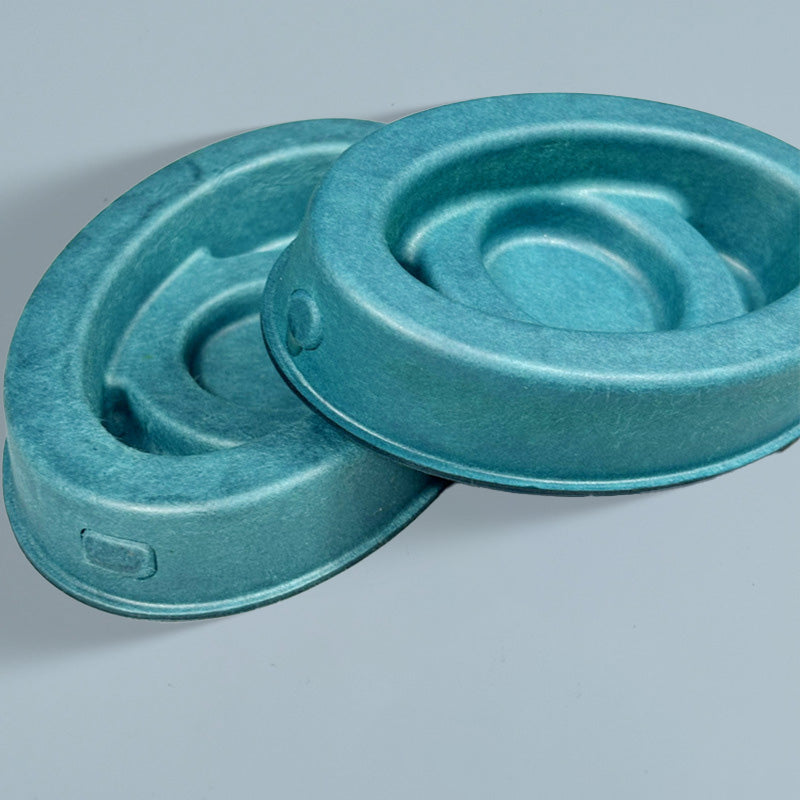
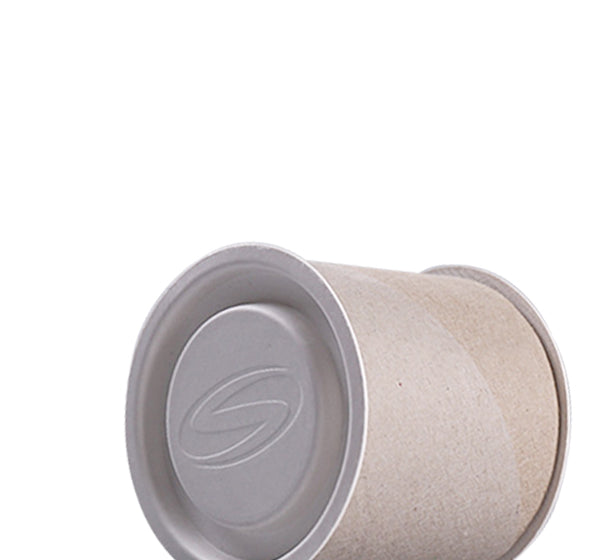
Imagine unwrapping an organic plant-based soap from its soap clamshell packaging, where the wheat straw fiber texture perfectly complements the botanical patterns in the soap itself. This harmonious moment represents more than just product presentation—it's a carefully crafted brand experience that communicates environmental values before the first use.
"The packaging's interior features a 28-day soil degradation test report with illustrated diagrams showing the material's transformation from compost to humus within three months—turning each unboxing into an educational moment about sustainable consumption."
Forward-thinking beauty brands are redefining packaging standards by replacing traditional plastics with innovative biodegradable soap packaging solutions. These materials resolve the inherent conflict between natural product formulations and synthetic packaging while creating tactile, visually appealing presentations that resonate with eco-conscious consumers.
Why Sustainable Packaging Matters
The beauty industry generates over 120 billion units of packaging annually, much of which ends up in landfills or oceans. Sustainable soap packaging represents more than an environmental gesture—it's becoming a business imperative as consumers increasingly vote with their wallets for brands that align with their values.
Complete Biodegradability
Unlike traditional plastics that persist for centuries, plant-based packaging decomposes within months, returning nutrients to the soil rather than polluting ecosystems.
Retail Theater
The natural textures and earthy tones of sustainable packaging create visual appeal on shelves, attracting environmentally conscious shoppers before they read product details.
In a crowded market, sustainable packaging serves as a tangible demonstration of brand values that competitors can't easily replicate
Consumer Connection
Eco-friendly packaging creates emotional engagement by allowing customers to participate in environmental stewardship through their purchasing decisions.
The Science Behind Sustainable Packaging
Modern biodegradable soap packaging combines agricultural byproducts (like wheat straw, bamboo, or bagasse) with plant-based polymers to create materials that offer both structural integrity and complete compostability. These innovations maintain product protection while ensuring environmental responsibility.
| Material | Decomposition Time | Carbon Footprint | Best For |
|---|---|---|---|
| Wheat Straw Fiber | 2-3 months | 75% lower than plastic | Clamshell containers, boxes |
| Molded Pulp | 1-2 months | 85% lower than plastic | Protective inserts, trays |
| PLA (Plant-based Plastic) | 3-6 months | 60% lower than plastic | Transparent windows, seals |
| Bagasse (Sugarcane Fiber) | 1-2 months | 80% lower than plastic | Rigid containers, lids |
The most innovative packaging solutions incorporate seed paper labels or plantable elements that encourage consumers to literally grow the brand's environmental message after use. This closed-loop approach transforms packaging from waste into a regenerative resource.
Designing for Sustainability
Effective eco-friendly packaging requires thoughtful design that balances aesthetics, functionality, and environmental impact. The best solutions:
- Use natural textures and colors that visually communicate sustainability
- Incorporate educational elements about decomposition and composting
- Maintain product protection with appropriate barrier properties
- Feature minimalist designs that reduce ink usage and processing
- Utilize standard sizes to optimize shipping efficiency
"At trade shows and boutique displays, the warm, organic feel of biodegradable materials creates tactile experiences that plastic simply can't match—allowing brands to physically demonstrate their commitment to sustainability."
Forward-thinking brands are extending this philosophy to shipping materials as well, using mushroom-based cushioning, seaweed-derived wraps, and other innovations that maintain protection while eliminating plastic waste.
Ready to Transform Your Packaging?
Discover premium soap clamshell packaging solutions that align with your brand's environmental values without compromising on quality or visual appeal.
