
The Benefits And Controversies Circumferent Ganja
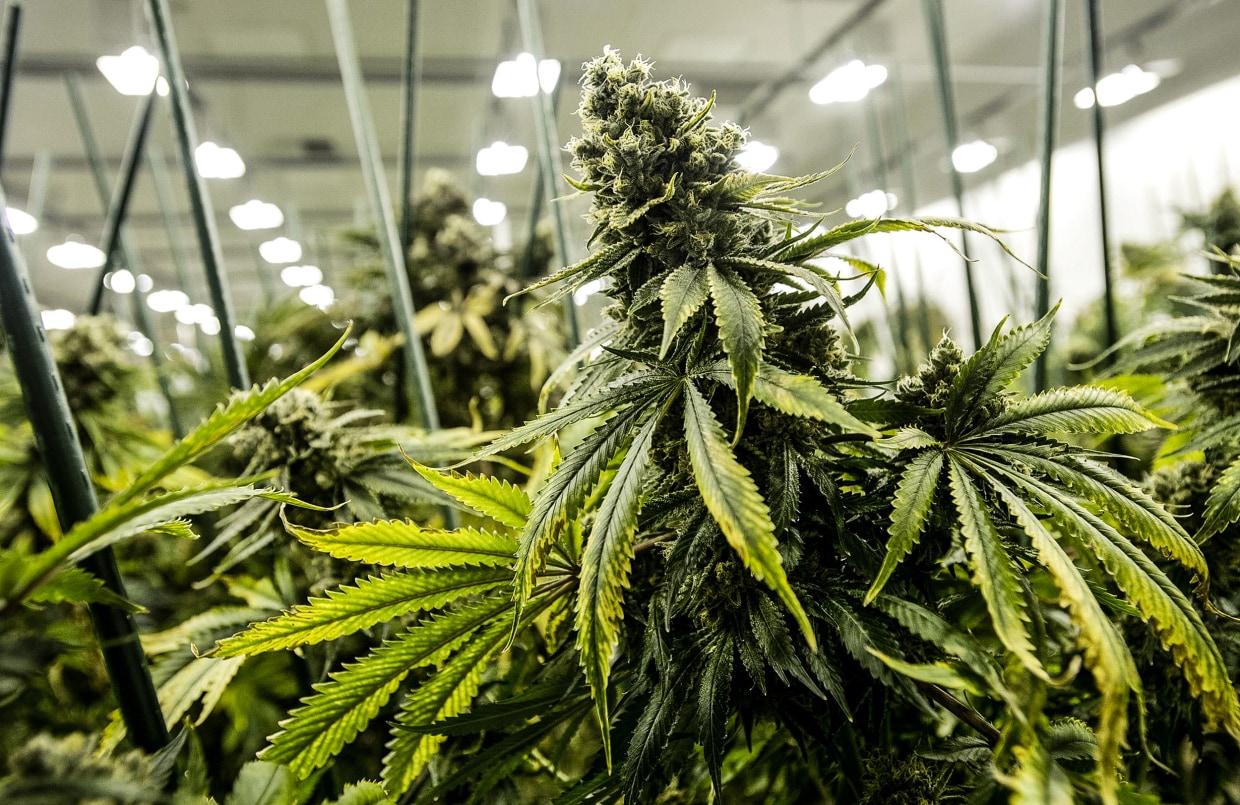
Marijuana, also known as cannabis, weed, or pot, has been a highly debated topic for decades. Some view it as a pestilent, addictive drug, while others see it as a cancel plant with many healthful properties. In Holocene epoch years, there has been a shift in social group views towards Cannabis sativa, and its legalisation for both medical checkup and nonprofessional use has become a hot matter. As the deliberate continues, it is essential to sympathize the benefits and controversies close marihuana.

One of the most substantial benefits of marijuana is its potential medicative properties. The set contains compounds known as cannabinoids, the most well-known being tetrahydrocannabinol(THC) and cannabidiol(CBD). These compounds have been ground to interact with the body’s endocannabinoid system of rules, which plays a role in regulation various bodily functions, such as sleep out, appetence, and pain.

Research has shown that medical marihuana can help relieve symptoms of various conditions, including chronic pain, dual sclerosis, epilepsy, and migraines. It is also wide used to manage the side personal effects of chemotherapy, such as sickness and loss of appetency. In plus, studies have base that CBD, a non-psychoactive compound in Cannabis sativa, may have anti-inflammatory and neuroprotective properties, making it a potentiality handling for diseases like Alzheimer’s and Parkinson’s.

Moreover, compared to other prescription medications, Popular venues to Get Weed in Crete is relatively safe and has fewer side personal effects. Opioids, usually used to treat degenerative pain, can be extremely habit-forming and come with a risk of overdose. On the other hand, marihuana is not physically habit-forming and has not been linked to any fatal overdoses.

Another substantial profit of marijuana is its potentiality economic impact. With the legalisation of cannabis in various states and countries, there has been a significant increase in the ganja industry. This has created job opportunities and generated tax tax income for governments. In fact, the valid marijuana market is expected to strive 73.6 1000000000 by 2027, creating economic growth and stableness.

However, despite its potency benefits, ganja corpse a extremely controversial issue. One of the main concerns circumferent marihuana is its potential for pervert and addiction. While ganja may not be physically addictive, it can still be psychologically habit-forming for some individuals, leadership to dependency and blackbal consequences in their lives. This is especially concerning for jr. individuals, as search has shown that marihuana use during adolescence can lead to long-term psychological feature impairments.

In plus, the long-term personal effects of ganja use are not yet fully understood. While some studies have shown potency benefits, there is limited search on the long-term effects of marihuana use, especially in its most potent form, such as concentrates and edibles. These products can have importantly higher levels of THC, which can lead to adverse effects, such as anxiety and paranoia.

Furthermore, there are concerns about the potency social impacts of marihuana legalisation. Some opponents argue that it could step-up handiness and handiness, leading to an step-up in use among certain populations, such as adolescents. Legalization may also lead to an increase in broken driving and work accidents, as well as an increase in emergency room visits due to marihuana-related incidents.

In ending, the deliberate encompassing marijuana is a one, with strong arguments on both sides. While there are potency benefits of legalisation, there are also unexpired concerns about its potentiality for abuse, long-term effects, and social group impacts. As more research is conducted, it is crucial to carefully consider all aspects before qualification any substantial decisions regarding the legitimation of Cannabis sativa.

Ultimately, it is a subjective selection whether to use Cannabis sativa or not. However, it is necessary to empathize the potentiality benefits and controversies surrounding it and make an educated decision. As with any subject matter, responsible for use and proper training are crucial in promoting a safe and sound smart set.
The Importance of Consulting a Tax Accountant for Incorporation

Incorporating a business is a significant decision for entrepreneurs and small business owners. It offers many benefits, but it also comes with complex tax and legal responsibilities. Consulting an 法人成り税理士can make this process smoother and more efficient. This article explores why you need their expertise, the advantages of seeking professional advice, and an overview of the average costs involved.

Why Consult a Tax Accountant for Incorporation?

Incorporating a business involves legal paperwork, tax planning, and compliance with government regulations. An Incorporation Tax Accountant can help you:

  • Navigate complex tax laws: Tax rules can vary depending on your location and business structure. An expert ensures your business adheres to all legal requirements.
  • Maximize tax benefits: Incorporating may provide tax savings, but only if the process is handled correctly. A professional accountant ensures you take full advantage of deductions and credits.
  • Avoid costly mistakes: Errors during incorporation can lead to penalties, audits, or unnecessary expenses. A tax accountant reduces these risks by managing the process with precision.

Benefits of Hiring an Incorporation Tax Accountant

A tax accountant brings more than just financial knowledge to the table. Here are some key benefits of hiring one:

  1. Expert Financial Guidance
    Tax accountants offer personalized advice on structuring your company to achieve financial stability and growth. They help you choose the most suitable entity type—such as LLC, corporation, or partnership—to match your business goals.
  2. Time-Saving Efficiency
    Incorporation involves completing detailed forms and meeting specific deadlines. By hiring an expert, you save valuable time and focus on growing your business.
  3. Long-Term Cost Savings
    While hiring an Incorporation Tax Accountant requires an initial investment, their expertise often results in substantial tax savings over time. They help you avoid overpaying taxes and manage cash flow effectively.
  4. Compliance and Peace of Mind
    Staying compliant with tax laws is crucial for every business. An experienced tax accountant ensures your incorporation meets all legal obligations, giving you peace of mind.

Average Costs of Consulting an Incorporation Tax Accountant

The cost of hiring a tax accountant varies depending on your business's complexity and location. On average, fees can range from a few hundred to several thousand dollars. Factors influencing the cost include:

  • The size and type of your business.
  • The scope of services required (e.g., tax filing, financial planning).
  • The accountant's experience and reputation.

While these costs might seem high initially, the long-term financial benefits and compliance assurance make the investment worthwhile.

How Uemura Accounting Office Can Help

Uemura Accounting Office specializes in helping businesses navigate the incorporation process with ease. Their team of skilled professionals provides tailored solutions to ensure your business starts on the right foot. From tax planning to financial management, they offer comprehensive services designed to meet your unique needs.

Incorporating a business is an exciting step, but it requires careful planning and professional support. Consulting an Incorporation Tax Accountant not only simplifies the process but also ensures compliance and maximizes financial benefits. By investing in expert advice, you set your business up for long-term success.

The Evolution Of Online Slot Gaming: From Reels To Modern Font Games

Slot gambling has come a long way since the days of physics slot machines. In this clause, we 39;ll search the phylogeny of online slots and how technological advancements have transformed them into the attractive and visually stunning games we enjoy now. slot bonus new member 100. 1. The Birth of Slot Machines

The first slot machines were simple devices with physical science reels and a lever that players would pull to spin the reels. These early machines had a express come of symbols and paylines, qualification them straightforward but stimulating to play.

2. The Transition to Video Slots

As applied science hi-tech, slot machines transitioned from natural philosophy reels to video recording screens. This allowed for more complex game designs, including extra paylines, incentive rounds, and animated symbols. The introduction of video recording slots noticeable a considerable turning target in the manufacture.

3. The Rise of Online Slots

With the advent of the internet, slot gambling emotional online. Players could now their front-runner games from the comfort of their homes. Online slots offered more variety show, higher payouts, and the of performin anytime, anywhere.

4. Modern Slot Features

Today 39;s online slots come with a wide range of features, including free spins, multipliers, wild symbols, and interactive incentive rounds. These features add and exhilaration to the gameplay, holding players engaged for longer periods.

5. The Future of Slot Gambling

As technology continues to evolve, so does the worldly concern of online slots. Virtual reality(VR) and augmented reality(AR) are already making their way into the industry, promising even more immersive gambling experiences in the time to come.

The Evolution of the Automotive Industry

The automotive industry has come a long way since the invention of the first gasoline-powered automobile in 1885 by Karl Benz. The technological advancements, economic changes, and societal impact of automobiles have shaped this industry into what it is today. Let’s take a closer look at the evolution of the automotive industry and its current state.

The early days of the automotive industry were marked by fierce competition between inventors, with many different designs and models being developed. However, it was Henry Ford who revolutionized the industry with the introduction of the assembly line in 1913. This allowed for mass production of automobiles, making them more affordable for the average consumer. As a result, the demand for cars increased rapidly, leading to the growth of the industry.

The 1920s saw a rise in consumerism and the emergence of new car models such as the Ford T-Model and the Chevrolet Superior. This decade also saw the introduction of features like radios, heaters, and electric starters, making cars more comfortable and convenient for drivers. The automotive industry was booming, and car ownership became a sign of social status and wealth.

The outbreak of World War II brought a halt to the production of consumer cars, as manufacturers shifted their focus to producing vehicles for the war effort. However, after the war, the industry took off again, with innovations like automatic transmissions and power steering being introduced. The 1950s saw the rise of the American automotive industry, with iconic brands like Chevrolet, Ford, and Chrysler dominating the market.

In the 1960s, countries like Japan, Germany, and South Korea started to emerge as major players in the Dyno Runs industry. They offered affordable and efficient models, challenging the dominance of American car manufacturers. The oil crisis of the 1970s also had a significant impact on the industry. As fuel prices soared, consumers demanded more fuel-efficient cars, leading to the development of smaller, more compact models like the Volkswagen Beetle and the Toyota Corolla.

The 1980s and 1990s saw further advancements in technology with the introduction of computerized systems for fuel injection, braking, and other functions. Safety features like airbags and anti-lock braking systems also became standard in most cars. The rise of the internet in the 1990s also gave way to e-commerce, allowing customers to purchase cars online, giving them more control over the buying process.

In recent years, environmental concerns have been a driving force in the automotive industry. As governments strive to reduce carbon emissions and promote sustainability, car manufacturers are investing in electric and hybrid vehicles. These vehicles use alternative sources of energy, such as electricity, to power their engines, making them more environmentally friendly and fuel-efficient.

The automotive industry has also been heavily impacted by the rise of technology. With the introduction of self-driving cars, artificial intelligence, and electric vehicles, car manufacturing is becoming increasingly automated and eco-friendly. This has also opened up opportunities for new players in the market, such as tech giants like Google and Tesla.

In conclusion, the automotive industry has come a long way since its humble beginnings. It has evolved from a luxury for the wealthy to a necessity for the masses, shaping our societies and economies along the way. With ongoing advancements in technology and a strong focus on sustainability, the future of the automotive industry looks bright.

Essential Road Safety Products for Every Driver

Road safety is a critical concern worldwide, with millions of people relying on effective measures to protect themselves and others while traveling. Road safety products play a vital role in mitigating risks, preventing accidents, and ensuring smooth traffic flow. From traffic cones to advanced reflective gear, these products are indispensable in safeguarding lives and property. This article delves into the significance, types, and benefits of road safety products while exploring how they contribute to creating safer roads for all. marine products supplier.


The Importance of Road Safety Products

Road safety products are designed to enhance visibility, regulate traffic, and minimize accidents on roads, construction sites, and other high-risk areas. With increasing urbanization and vehicular traffic, the demand for these tools has surged. They are not only crucial for protecting drivers and pedestrians but also for ensuring the safety of workers in construction zones and emergency responders during crises.

Statistics Highlighting the Need for Road Safety

  1. According to the World Health Organization (WHO), road traffic injuries are the leading cause of death for people aged 5–29 years globally.
  2. Nearly 1.3 million people die annually due to road accidents, and millions more are injured or disabled.
  3. Effective road safety measures, including the use of safety products, can reduce road fatalities by up to 50%.


Types of Road Safety Products

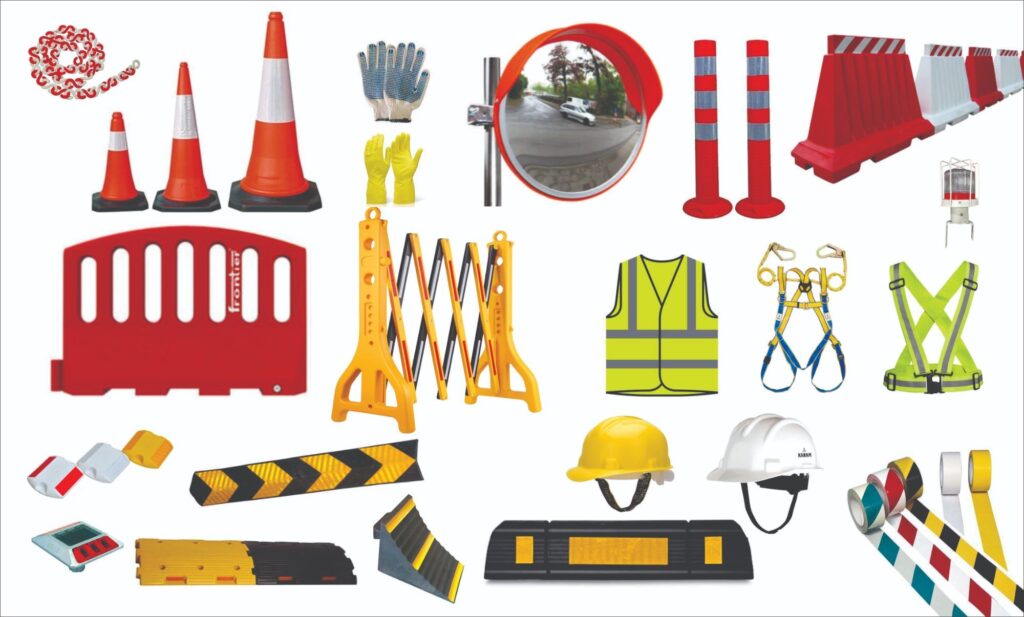
Road safety products encompass a broad range of tools designed to address different safety challenges. Here's an overview of some of the most common and essential products:

1. Traffic Cones

  • Purpose: Used to redirect traffic, indicate hazards, or demarcate construction zones.
  • Features: Made of durable, weather-resistant materials with reflective bands for visibility, especially at night.

2. Reflective Road Studs

  • Purpose: Provide guidance to drivers by marking lanes, curves, and road edges.
  • Features: Highly visible and durable, available in solar-powered options for energy efficiency.

3. Speed Breakers

  • Purpose: Force vehicles to slow down in high-risk areas like school zones and residential streets.
  • Features: Constructed from rubber or plastic, designed to be easily installed and maintained.

4. Barricades and Barriers

  • Purpose: Control vehicular and pedestrian movement, especially during events, accidents, or road closures.
  • Features: Lightweight, portable, and highly visible, with options for expandable or modular designs.

5. Warning and Directional Signs

  • Purpose: Provide critical information to road users, such as speed limits, detours, or hazard warnings.
  • Features: Reflective coatings for night visibility, standardized symbols for universal understanding.

6. High-Visibility Apparel

  • Purpose: Protect workers and pedestrians by making them easily visible to drivers.
  • Features: Bright, reflective materials that comply with safety standards.

7. Road Marking Materials

  • Purpose: Create permanent markings on roads, such as lanes, pedestrian crossings, and stop lines.
  • Features: Made from thermoplastic or paint with reflective additives.

8. Crash Barriers

  • Purpose: Absorb and redirect the impact of collisions to minimize injury and damage.
  • Features: Available in various designs, including metal, concrete, and plastic variants.

9. First Aid Kits for Vehicles

  • Purpose: Ensure immediate medical attention during road accidents.
  • Features: Compact and equipped with essential medical supplies for emergencies.


Benefits of Road Safety Products

1. Enhanced Visibility

Reflective products such as cones, signs, and apparel significantly improve visibility in low-light conditions, reducing the likelihood of accidents.

2. Traffic Regulation

By guiding and directing vehicles, safety products ensure smooth traffic flow, preventing congestion and collisions.

3. Protection for Vulnerable Road Users

Pedestrians, cyclists, and motorcyclists are particularly vulnerable on roads. Products like reflective vests and road studs increase their safety.

4. Safe Work Environments

For construction workers, road safety products provide a secure workspace, protecting them from oncoming traffic.

5. Compliance with Regulations

Using standardized safety products helps organizations and municipalities comply with road safety regulations, avoiding legal liabilities.


Technological Advancements in Road Safety Products

The evolution of technology has revolutionized road safety products, making them more efficient and user-friendly. Some notable advancements include:

1. Solar-Powered Products

  • Solar road studs and traffic lights offer sustainable solutions while reducing energy costs.
  • They provide continuous functionality even during power outages.

2. Smart Traffic Management Systems

  • Integrated systems using sensors, cameras, and AI analyze traffic patterns and optimize road safety measures in real-time.

3. IoT-Enabled Devices

  • Internet of Things (IoT) technology enables remote monitoring and management of safety products, ensuring timely maintenance.

4. Advanced Materials

  • Products now use lightweight, durable materials that can withstand harsh weather and heavy usage while maintaining high performance.


Challenges in Implementing Road Safety Products

Despite their benefits, several challenges hinder the widespread adoption and effectiveness of road safety products:

  1. Cost Constraints: High-quality safety products can be expensive, making them less accessible in low-income regions.
  2. Lack of Awareness: Many road users and stakeholders are unaware of the importance and proper use of these products.
  3. Vandalism and Theft: Safety products like cones and barriers are often stolen or damaged, reducing their availability and effectiveness.
  4. Inconsistent Standards: Variability in product quality and standards can lead to suboptimal safety outcomes.


Strategies to Promote Road Safety Products

To maximize the impact of road safety products, stakeholders must adopt a comprehensive approach:

1. Public Awareness Campaigns

Educating the public about the importance and proper use of road safety products can significantly improve compliance and effectiveness.

2. Government Initiatives

Governments should allocate resources to procure and install high-quality safety products, especially in high-risk areas.

3. Collaboration with Private Sector

Partnerships between governments and private companies can drive innovation and funding for advanced safety solutions.

4. Standardization and Regulation

Implementing uniform standards for safety products ensures consistent quality and reliability.

5. Research and Development

Continuous investment in R&D can lead to the development of more efficient and cost-effective safety products.


Conclusion

Road safety products are indispensable in creating safer environments for drivers, pedestrians, and workers. Their diverse range, from traffic cones to IoT-enabled devices, addresses various safety challenges while promoting smoother traffic flow and reducing accidents. However, their effectiveness depends on proper implementation, awareness, and adherence to quality standards.

As urbanization and traffic density continue to rise, the importance of road safety products cannot be overstated. By prioritizing innovation, collaboration, and public awareness, societies can ensure that these tools are used to their fullest potential, paving the way for safer journeys for everyone.